

RoRo vs Container Shipping for Used Cars: Which Method Should You Choose?
Choosing between RoRo vs container shipping for used cars is one of the most important decisions when exporting a vehicle internationally. Both methods are widely used in the automotive export industry, but the right choice depends on the vehicle’s condition, destination port, shipping route, budget, and handling requirements.
Understanding the differences between RoRo car shipping, container shipping used car services, and other vehicle export shipping options can help buyers select the best car shipping method for their specific situation.
What Is RoRo Car Shipping?
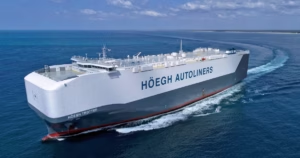
RoRo car shipping (Roll-on/Roll-off) involves driving or moving a vehicle directly onto a specialized car carrier vessel. The vehicle is secured inside designated decks and unloaded at the destination port through the carrier’s vehicle-handling process.
For standard, operational vehicles, RoRo car shipping is often considered one of the most efficient and economical vehicle export shipping options. However, the vehicle must usually be able to start, steer, brake, and move safely under its own power.
What is container shipping?
With container shipping, the vehicle is loaded and secured inside a shipping container. A single car may use a container alone, or a freight provider may offer a shared-container arrangement where available.
Container shipping can provide an enclosed environment and may suit higher-value, non-running or special vehicles, subject to the loader’s requirements.

Protection and Handling Considerations
Many buyers choose container shipping used car services because the container provides a physical enclosure around the vehicle. However, protection depends heavily on professional loading, wheel restraints, and cargo securing procedures.
Poor loading practices can still result in damage inside a container.
With RoRo car shipping, the vehicle remains on dedicated vehicle decks throughout the voyage. Since the car is driven during loading and unloading, buyers should remove loose personal belongings and comply with carrier requirements regarding alarms, battery condition, and fuel levels.
Cost Comparison
When comparing RoRo vs container shipping for used cars, do not focus only on the advertised ocean freight rate. A complete quotation should include transport from the vehicle’s location to the Singapore port, export handling charges, Customs documentation, ocean freight, container loading and securing (where applicable), marine insurance, destination terminal charges, customs clearance fees, and any potential storage or demurrage costs. In many cases, a lower shipping rate may still result in a higher overall car landed cost if destination expenses are not fully understood before booking.
Route and port availability
RoRo service is not available to every port on every schedule. Container networks may offer more routing options, but transhipment and port congestion can affect transit time. Ask for the actual loading port, destination port, estimated sailing window and whether the route involves transhipment.
Vehicle Condition Matters
The condition of the vehicle plays an important role when choosing between RoRo car shipping and container shipping used car services. Most RoRo carriers require vehicles to start, steer, brake, and move safely under their own power. Non-running vehicles, heavily modified cars, or luxury models may require container shipping instead. Buyers should always disclose the vehicle’s actual condition before confirming a booking to avoid delays or additional charges.
Can items be placed inside the car?
Do not assume personal goods or spare parts can be shipped inside a vehicle. Carrier, customs, security and insurance rules may restrict additional cargo. Obtain written confirmation before placing anything in the car or container.
Insurance considerations
Marine insurance is separate from the physical shipping method. Ask what risks are covered, the insured value, deductible, exclusions, survey requirements and claim deadline. Take dated photographs immediately before the vehicle is handed over for shipment.
Quick decision guide
RoRo may suit you when:
- The car runs and moves safely
- A suitable direct or convenient service is available
- Cost efficiency is the main priority
- The destination port routinely handles imported vehicles
Container shipping may suit you when:
- The car is high-value, non-running or requires enclosed handling
- RoRo service is unavailable to the chosen port
- Professional container loading is available
- The buyer accepts container loading and destination handling costs

Documents still matter whichever method you choose
Singapore Customs states that permanently exported motor vehicles require a Customs export permit. Shipping method does not remove the need for correct vehicle identity, commercial and export documentation.
Get a route-specific quotation
The useful comparison is not “RoRo versus container” in the abstract. It is the total quotation for the exact car, sailing and destination port. Review current export-ready used cars or contact FatCar with your preferred port for a practical discussion.
Schedules, carrier requirements and charges change. Confirm current terms with the appointed shipping provider before purchase.